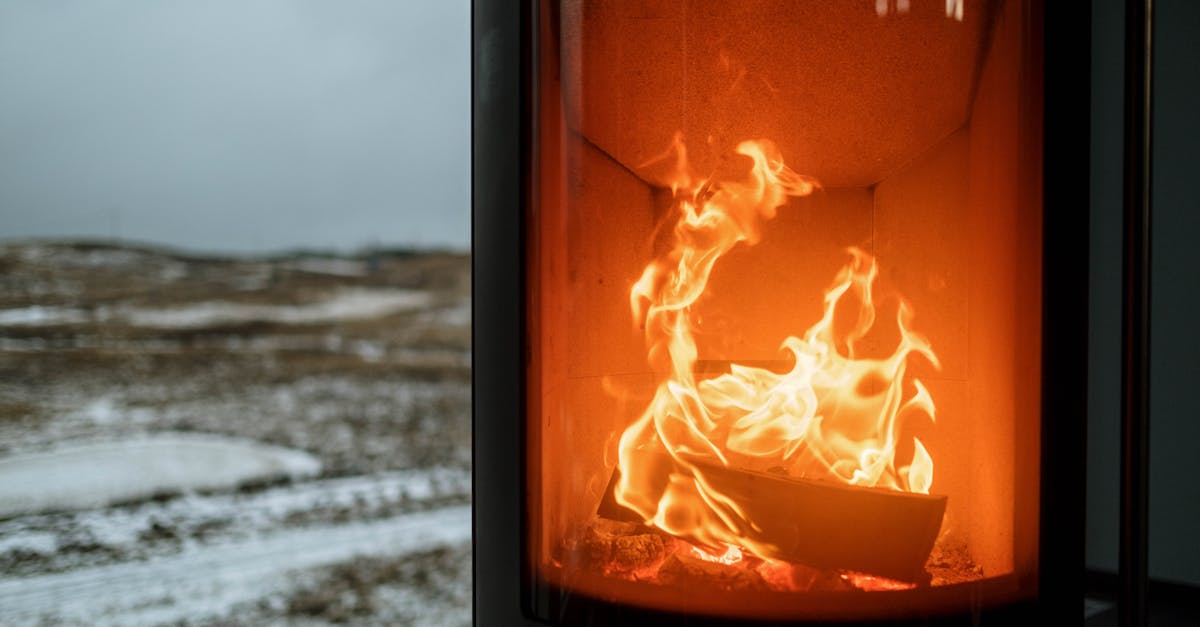
Why Your Home Still Feels Cold (Even With the Heating On) — And What Actually Works for Real Warmth
Does this sound familiar? You crank up the thermostat, the furnace roars to life, and after an hour, your house still has that stubborn chill in the air. You move from room to room, chasing elusive warmth, bundling up indoors, and wondering why your heating system seems to be fighting a losing battle. I’ve been there – shivering through winter nights, convinced my old house was simply a lost cause, pouring money into a furnace that felt perpetually inadequate. It wasn’t until I started looking beyond the thermostat that I truly understood why my home was cold and, more importantly, what actually worked to fix it.
Most people, myself included for years, assume if the heat is on, the house should be warm. We blame an old furnace, drafty windows, or just ‘bad insulation.’ While those can be factors, the real culprits are often more nuanced, interconnected, and surprisingly simple to address once you know where to look. The mistake I see most often is tackling symptoms (like adding a space heater) instead of the underlying issues that prevent your home from retaining heat effectively. What changed everything for me was shifting my focus from merely generating heat to managing it within the building envelope. This isn’t about setting your thermostat higher; it’s about making your home more efficient and genuinely comfortable.
Key Takeaways
- Your home’s comfort isn’t just about thermostat settings; it’s about effective heat retention and distribution.
- Address invisible air leaks and insufficient air sealing as primary culprits for persistent cold spots, not just drafts.
- Optimize your HVAC system’s airflow and consider strategic zone heating to improve comfort and energy efficiency.
- Utilize smart home technologies and natural light to passively enhance warmth and gain better climate control.
The Hidden Culprit: Unseen Air Leaks and the ‘Chimney Effect’
When I first moved into my 1950s bungalow, I was convinced the single-pane windows were the sole reason for the cold. I spent a small fortune replacing them, only to find the house still felt chilly. What I didn’t realize then was that the biggest heat culprits weren’t just obvious gaps, but an army of tiny, unseen air leaks causing what experts call the ‘chimney effect.’
Think about it: warm air rises. In a leaky house, that rising warm air escapes through gaps in the attic, around recessed lighting, through plumbing penetrations, and where walls meet ceilings. As it leaves, it creates a negative pressure that pulls cold, outside air in through lower parts of your home – cracks in the foundation, gaps around electrical outlets, unfinished basements, and under baseboards. It’s a constant cycle of warm air escaping and cold air entering, making your heating system work overtime without ever achieving lasting warmth.
What Actually Works: Forget just sealing visible window cracks. You need a comprehensive air-sealing strategy, starting from the top down. In my experience, the biggest bang for your buck comes from sealing the attic floor. This is where most of your home’s ‘exhaust’ leaks occur. Use expanding foam sealant for larger gaps around pipes and wires, and caulk for smaller cracks. Don’t forget the access panel or pull-down stairs – they are often huge unsealed holes. Next, tackle the rim joists in your basement or crawl space (where your foundation meets the framing). These areas are notorious for drawing in cold air. Foam board insulation cut to fit and sealed with spray foam can make a dramatic difference. Finally, don’t underestimate outlets and switch plates on exterior walls; inexpensive foam gaskets are a quick win. I saw a noticeable improvement in overall home comfort and a drop in my energy bill after systematically addressing these hidden leaks. It’s not glamorous, but it’s foundational.
Your HVAC System: More Than Just a Furnace
For years, I thought if my furnace was blowing hot air, it was doing its job. I’d ignore the rooms that were always colder or hotter, assuming that was just how the house was. This limited perspective is exactly why many homes struggle with consistent warmth. Your HVAC system is precisely that – heating, ventilation, and air conditioning. How air moves through your home is just as critical as its temperature at the source.
The most common issue I’ve encountered, and one that plagues many homeowners, is imbalanced airflow. This means some rooms get too much heated air while others get too little, creating hot and cold zones. The problem often lies in clogged filters, poorly designed or leaky ductwork, and closed or blocked vents. A furnace filter that hasn’t been changed in months chokes your system, making it work harder and less efficiently. Leaky ducts, especially those running through unconditioned spaces like attics or crawl spaces, can lose 20-30% of the heated air before it even reaches your living space.
What Actually Works: Start with the basics: change your furnace filter monthly during peak heating season. It’s cheap, easy, and dramatically improves airflow and efficiency. Next, inspect your ductwork. Look for visible gaps, loose connections, or crumbling tape. Use specialized mastic sealant or foil tape (not duct tape, which fails quickly) to seal any leaks. If ducts run through unconditioned areas, consider insulating them. Beyond that, optimize your vent strategy. Don’t close vents in colder rooms thinking you’re redirecting air; this can actually increase pressure and strain your system. Instead, partially close return vents in warmer areas to gently encourage more air flow to colder ones, or use adjustable vent covers to direct airflow. For severe imbalances, a professional HVAC technician can perform a duct sealing and balancing service, which can be a game-changer for overall comfort and energy savings. After investing in sealing and balancing my ducts, the difference in room temperatures was profound – no more bundling up in the home office while the living room roasted.
The Overlooked Power of Passive Heat and Thermal Mass
Many of us rely solely on active heating (like a furnace) and neglect the immense potential of passive heat. I certainly did, forgoing curtains or keeping them closed all day, effectively blocking out nature’s free warmth. Moreover, the materials within your home have a capacity to store and release heat, known as thermal mass, which is often underutilized.
Imagine a brick wall soaking up sun on a winter day. It absorbs that heat and slowly radiates it back into the room long after the sun sets. While most modern homes aren’t built with heavy thermal mass in mind, you can still leverage this principle. The mistake is treating your windows as just glass and your walls as just dividers, rather than active participants in your home’s thermal regulation.
What Actually Works: Harness natural light strategically. During sunny winter days, open curtains and blinds on south-facing windows to let sunlight stream in and warm your home. Close them tightly as soon as the sun dips to trap that accumulated heat. For windows not receiving direct sun, invest in high-quality, insulated curtains or cellular blinds. They act as an extra layer of insulation, preventing heat from escaping through the glass. In my experience, even adding thick, lined curtains made a surprising difference in how quickly a room lost its warmth overnight. Another tactic is to introduce elements of thermal mass. While you might not add a brick wall, strategically placing dense items like a large bookcase filled with books, a stone hearth, or even heavy ceramic pots in sunlit areas can absorb some solar gain and slowly release it. It’s not a primary heating source, but it contributes to a more stable, comfortable indoor temperature without consuming any energy.
Zoning for Smart Comfort and Efficiency
One of the most frustrating aspects of a perpetually cold house is the inevitable hot and cold spots. The bedroom is freezing, but the living room is a sauna. Most homes have a single thermostat controlling the entire house, which is like trying to drive a car with one pedal for both acceleration and braking – it’s inefficient and leads to discomfort. Relying on a single temperature setting for wildly different areas of your home is a recipe for wasted energy and persistent chill.
I used to blast the heat to make the coldest room bearable, only to overheat the rest of the house, leading to sky-high energy bills and still not achieving optimal comfort everywhere. The key is to recognize that different areas of your home have different heating needs and usage patterns.
What Actually Works: Consider implementing zone heating. The simplest form is using smart thermostats with room sensors. These sensors can be placed in different rooms and communicate with the main thermostat, allowing it to average temperatures or prioritize heating in specific areas. Some systems even learn your habits. For a more robust solution, installing a multi-zone HVAC system allows you to have separate thermostats controlling different areas, meaning you only heat the rooms you’re using. While a larger upfront investment, it offers unparalleled control and can lead to significant long-term savings and comfort. In my own home, a smart thermostat with a remote sensor in my notoriously cold office instantly improved my workday comfort, allowing me to keep the main thermostat lower. For a less expensive, targeted approach, strategic use of efficient electric radiant heaters in a frequently used cold room (like a basement office) can provide supplemental heat only when and where needed, without overheating the entire house. The key is to use them with a timer or smart plug to ensure they only operate when the room is occupied.
The Overlooked Role of Humidity and Air Quality
It might sound counter-intuitive, but the dryness of your indoor air can make your home feel colder than it actually is. Dry air often leads to more static electricity, dry skin, and a general sense of chill, even when the thermostat registers a comfortable temperature. Moreover, poor air circulation exacerbates temperature discrepancies and contributes to stale, cold spots.
Many people focus solely on temperature, ignoring the psychological and physiological impact of indoor air quality and humidity. In my experience, even perfectly heated dry air can still feel unpleasantly cool, especially when transitioning between rooms.
What Actually Works: Maintain optimal indoor humidity levels during the heating season, ideally between 30-50%. A whole-home humidifier integrated into your HVAC system is the most effective solution, but for smaller areas, a standalone humidifier can make a noticeable difference in how warm a room feels. Humid air holds heat better, making the ambient temperature feel more comfortable. Additionally, ensure good air circulation. Using ceiling fans on their lowest setting, rotating clockwise, can push warm air (which naturally rises) back down into the living space. While seemingly small, these adjustments contribute significantly to overall comfort. I found that balancing humidity made my skin feel better and the house feel ‘softer’ – a kind of warmth you can’t get just from turning up the heat.
Frequently Asked Questions
Q: Why does my house feel cold even when the thermostat says it’s warm?
A: This is often due to a combination of factors, including unseen air leaks, imbalanced airflow in your HVAC system, dry indoor air, and a lack of proper insulation. The thermostat measures the air temperature at its specific location, which might not reflect the true temperature or perceived comfort throughout your entire home.
Q: Should I close vents in unused rooms to push heat to colder areas?
A: While it seems logical, closing too many vents can disrupt your HVAC system’s balance, increasing pressure and potentially damaging your furnace. It’s more effective to ensure your ductwork is sealed, filters are clean, and then use adjustable vent covers to gently redirect airflow, or consider zoning solutions for precise control.
Q: Can old windows really make that big of a difference to a cold home?
A: Yes, older, single-pane windows can be significant sources of heat loss. However, they are often not the only problem. Air leaks around window frames and inadequate wall insulation can also contribute significantly. Replacing windows can help, but combining it with air sealing and good window coverings will yield the best results.
Q: Is it more energy-efficient to keep my thermostat at a constant temperature or to turn it down when I leave?
A: Generally, it’s more energy-efficient to turn your thermostat down by 7-10 degrees Fahrenheit for at least 8 hours (e.g., when you’re at work or sleeping). It takes less energy to reheat your home than to maintain a high temperature constantly. A smart thermostat can automate this for optimal savings.
Q: What’s the cheapest way to make my cold home warmer?
A: The most cost-effective strategies typically involve addressing air leaks and improving insulation. Start with sealing gaps around doors and windows with caulk and weatherstripping. Next, check and seal any large penetrations in your attic floor and around rim joists in your basement. Ensuring your furnace filter is clean and that vents aren’t blocked also provides immediate, low-cost improvements.
Conclusion
Living in a perpetually cold home, despite a running heater, isn’t just uncomfortable; it’s a drain on your energy bills and your well-being. The journey from a chilly, drafty house to a consistently warm and inviting home isn’t about simply turning up the heat. It’s about understanding the complex interplay of air movement, insulation, humidity, and strategic heating within your home’s unique structure. By focusing on identifying and sealing hidden air leaks, optimizing your HVAC system’s airflow, leveraging passive heat, and considering smart zoning, you can achieve a level of comfort and efficiency you might not have thought possible. Don’t resign yourself to endless layers indoors; take these actionable steps to reclaim true warmth in your living space. Start with one area, like sealing your attic, and feel the difference. Your cozy future awaits.
Written by Eliza Thorne
Home Organization & Productivity
A former organizational consultant, Eliza specializes in creating efficient systems for home and personal management.
You Might Also Like

Why Your Home Still Feels Unclean (Even After Cleaning) — And The Hidden Culprits Nobody Talks About
Discover the hidden reasons your home still feels dirty after cleaning, and learn effective strategies for lasting freshness.

Why Your Homemade Yogurt Lacks That Perfect Tartness (And The Pro Secrets for Truly Tangy Flavor)
Discover why your homemade yogurt falls flat on flavor and learn the pro secrets to achieve that delightful tart and tangy taste you crave.

Why Your Homemade Cookies Are Flat (And The Simple Fixes That Guarantee Perfect, Puffy Results Every Time)
Stop making flat, crispy cookies. Discover the simple fixes to guarantee perfectly puffy, chewy homemade cookies every time, from ingredient temp to chilling.