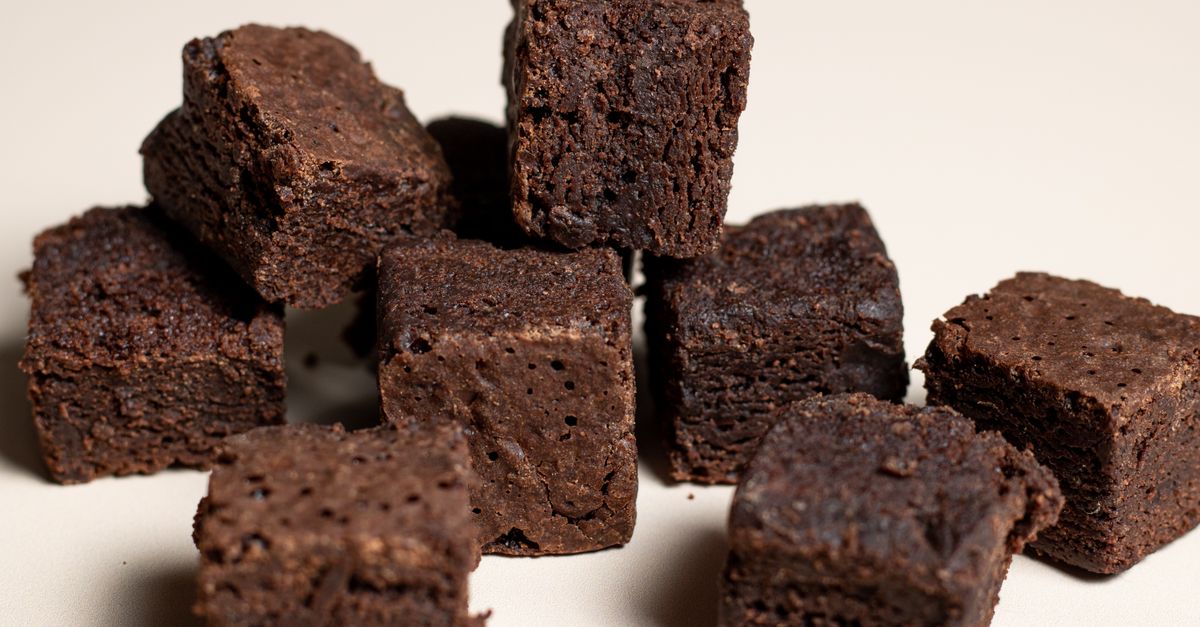
Why Your Homemade Brownies Are Cakey (And The Simple Shifts That Guarantee Fudgy Perfection Every Time)
You’ve envisioned it: biting into a warm brownie, the rich chocolate melting in your mouth, a perfect balance of chewiness and intense fudge. Instead, you pull your masterpiece from the oven, slice it, and… it’s cake. Light, airy, crumbly, and utterly devoid of that dense, decadent chew you crave. It’s a common frustration in the home kitchen, and one I battled for years. My brownies were always good, but never great – never that deep, satisfying fudginess that makes you close your eyes in bliss.
I tried countless recipes, tweaked oven temperatures, and even experimented with different cocoa powders. The results were consistently decent, but the elusive fudgy texture remained out of reach. It wasn’t until I started deconstructing what truly differentiates a cake from a brownie, and then applied some very specific, often overlooked techniques, that my brownie game transformed. What changed everything for me wasn’t a magic ingredient, but a series of deliberate choices that control the fat, sugar, and flour ratios, and crucially, how those ingredients interact during baking. If your homemade brownies consistently lean towards cakey, this is what you’re missing.
Key Takeaways
- Prioritize fat over flour and leavening agents to achieve dense, fudgy brownies.
- Understand that controlling sugar’s role, especially brown sugar, contributes significantly to chewiness and moisture.
- Master the art of minimal mixing and precise baking times to prevent cake-like aeration.
- Incorporate strategic cooling and chilling to develop the signature dense, gooey texture.
The Overlooked Fat-to-Flour Ratio That Makes All the Difference
The fundamental difference between a cakey brownie and a fudgy one lies in its structural backbone. Cakes rely on a higher flour-to-fat ratio and often significant leavening to create an airy, open crumb. Brownies, however, demand the opposite. In my early attempts, I often followed recipes that, while claiming to be ‘fudgy,’ still had too much flour or relied on too much baking powder. The mistake I see most often is treating brownie batter too much like cake batter.
For truly fudgy brownies, your fat content needs to be significantly higher than your flour content. Think 1:1.5 or even 1:2 flour to fat ratio, by weight. This isn’t just about adding more butter; it’s about the source of that fat. Melted butter, unsweetened chocolate, and even a touch of oil (like vegetable or canola) each contribute differently. Melted butter disperses more evenly, creating a tighter crumb, while solid chocolate (melted into the butter) adds an intense, rich fat. Adding a tablespoon or two of a neutral oil can also boost moisture and chewiness without impacting flavor. Many recipes call for too much flour, which dries out the brownie and provides too much structure, allowing it to rise like a cake. Reducing flour by even 1/4 cup can dramatically shift the texture towards fudge. Always weigh your ingredients for precision; cups can vary wildly, and even a slight excess of flour can be the culprit.
Sugar’s Secret Role: More Than Just Sweetness
Sugar in brownies isn’t just about taste; it’s a critical textural component. It prevents gluten development, retains moisture, and contributes to that desirable chewy edge. When my brownies were still cakey, I realized I wasn’t leveraging sugar effectively. Many recipes balance white and brown sugar, but understanding their individual impact is key. White granulated sugar contributes to crispiness and a tighter crumb, while brown sugar (with its molasses content) adds moisture and chewiness.
For ultimate fudginess and chew, I now always lean heavily on brown sugar. A ratio of 2:1 brown to white sugar, or even exclusively brown sugar, works wonders. The molasses in brown sugar attracts and holds moisture, ensuring your brownies stay gooey and don’t dry out into a cake-like consistency. Additionally, ensure your sugar is fully dissolved in the melted butter and chocolate mixture. This creates a more uniform batter that bakes evenly and contributes to the signature glossy, crackly top and dense interior. Don’t skimp on sugar, as it is a crucial player in achieving that dense, fudgy texture. Around 1.5 to 2 cups of sugar for a standard 9x13 pan is a good starting point, adjusting based on your chocolate’s sweetness.
The Minimalist Approach to Mixing and Leavening
One of the biggest mistakes I made, and one I see countless home bakers make, is overmixing brownie batter. We’ve been conditioned by cake recipes to cream butter and sugar, or beat eggs until fluffy. This incorporates air, which is fantastic for a light, airy cake – and disastrous for a dense, fudgy brownie. The goal for fudgy brownies is to minimize air incorporation as much as possible.
After combining your melted fats and sugars, add eggs one at a time, mixing just until combined, not until fluffy. For the dry ingredients (flour, cocoa powder, salt, and any leavening), fold them in gently and only until no streaks of dry flour remain. Overmixing develops gluten, leading to a tougher, chewier (but not fudgy-chewy, rather bread-like chewy) and ultimately more cake-like texture. Speaking of leavening, many recipes include too much baking powder or baking soda. For fudgy brownies, you want very little, if any, leavening. A mere 1/4 teaspoon of baking powder (or even none) is often sufficient for a standard batch. The goal isn’t rise; it’s density. What changed everything for me was embracing the ‘just combined’ principle – it makes a profound difference in the final texture.
Baking Time: The Thin Line Between Fudgy and Dry
Baking brownies correctly is a tightrope walk. Overbake them by just a few minutes, and you’re back to cakey territory. Undercook them, and you have a gooey mess that won’t set. For years, I pulled my brownies out when a toothpick inserted into the center came out clean, as instructed by almost every cake recipe. This is the wrong cue for fudgy brownies.
For fudgy perfection, you want the edges to be set and a little crackly, but the center should still look slightly underbaked and jiggly. When you insert a toothpick into the center, it should come out with moist crumbs attached, not clean, and certainly not with raw batter. This indicates that the brownie is mostly set but still has enough moisture to remain fudgy as it cools. Most fudgy brownie recipes bake around 30-35 minutes for a 9x13 pan at 325-350°F (160-175°C). Start checking at the lower end of the time range. Your oven temperature also plays a role; a slightly lower temperature (325°F) for a longer time can sometimes promote a more even bake without drying out the edges before the center is done.
The Cooling Conundrum: Patience is a Virtue
This is perhaps the most critical, yet most often overlooked, step for achieving truly fudgy brownies. I used to be so eager to slice into my brownies straight out of the oven. While a warm brownie is delightful, it’s not truly fudgy until it has cooled completely, and often, chilled. When brownies are hot, they are soft and delicate. Their structure is still setting, and the fats and sugars haven’t had a chance to firm up into that dense, gooey consistency.
What changed everything for me was the realization that patience is an ingredient. Allow your brownies to cool completely in the pan on a wire rack for at least 2-3 hours. For truly decadent, sliceable fudginess, refrigerate them for another 2-4 hours, or even overnight. This chilling process allows the fats to solidify, binding the chocolate, sugar, and flour into that dense, irresistible fudge. Cutting into warm brownies not only yields a crumbly mess but also denies them the opportunity to reach their full fudgy potential. Trust me, the wait is absolutely worth it for that dense, chewy, and intensely chocolatey experience you’re chasing.
Frequently Asked Questions
Q: Why do my brownies always turn out dry and crumbly instead of moist and fudgy?
A: Dryness often stems from too much flour, too little fat, or overbaking. Ensure your flour-to-fat ratio favors fat (more fat than flour), avoid overmixing, and pull your brownies from the oven when a toothpick inserted into the center still has moist crumbs attached, not clean.
Q: Can I use cocoa powder instead of melted chocolate for fudgy brownies?
A: Yes, but the type of cocoa matters. Dutch-processed cocoa powder often yields a darker, more intensely chocolatey, and fudgier brownie due to its lower acidity. When using only cocoa, ensure your recipe compensates with enough fat and moisture from other ingredients (like butter and eggs) to maintain fudginess.
Q: My brownies have a cake-like rise. How do I prevent this?
A: Cakey rise is typically due to too much leavening (baking powder/soda) or excessive air incorporated during mixing. Reduce or eliminate baking powder, and mix your wet and dry ingredients just until combined to avoid aerating the batter.
Q: Is it okay to substitute oil for butter in brownies?
A: While you can substitute some oil for butter, it will impact flavor and texture. Butter provides richness and structure that oil cannot fully replicate. However, adding a small amount of neutral oil (1-2 tablespoons) alongside butter can enhance chewiness and moisture without sacrificing flavor.
Q: How can I tell when my brownies are perfectly done for a fudgy texture?
A: Look for edges that are set and slightly crackly, with a center that still looks a little moist and might jiggle slightly when you gently shake the pan. A toothpick inserted into the center should come out with moist crumbs, not liquid batter, and definitely not perfectly clean.
In the journey to the perfect fudgy brownie, I learned that it’s less about finding a secret ingredient and more about understanding the science behind the bake. By rebalancing your fat and flour, harnessing the power of brown sugar, committing to minimal mixing, precise baking, and the crucial step of patient cooling, you can transform your cakey disappointments into dense, chocolatey dreams. Give these shifts a try, and prepare to elevate your brownie game to fudgy perfection.
Written by Sophia Rodriguez
Budgeting & Everyday Living
An experienced lifestyle blogger, Sophia brings creative solutions for budgeting, cooking, and simplified living.
You Might Also Like

Why Your Home Still Feels Unclean (Even After Cleaning) — And The Hidden Culprits Nobody Talks About
Discover the hidden reasons your home still feels dirty after cleaning, and learn effective strategies for lasting freshness.

Why Your Homemade Yogurt Lacks That Perfect Tartness (And The Pro Secrets for Truly Tangy Flavor)
Discover why your homemade yogurt falls flat on flavor and learn the pro secrets to achieve that delightful tart and tangy taste you crave.
Why Your Homemade Cookies Are Flat (And The Simple Fixes That Guarantee Perfect, Puffy Results Every Time)
Stop making flat, crispy cookies. Discover the simple fixes to guarantee perfectly puffy, chewy homemade cookies every time, from ingredient temp to chilling.