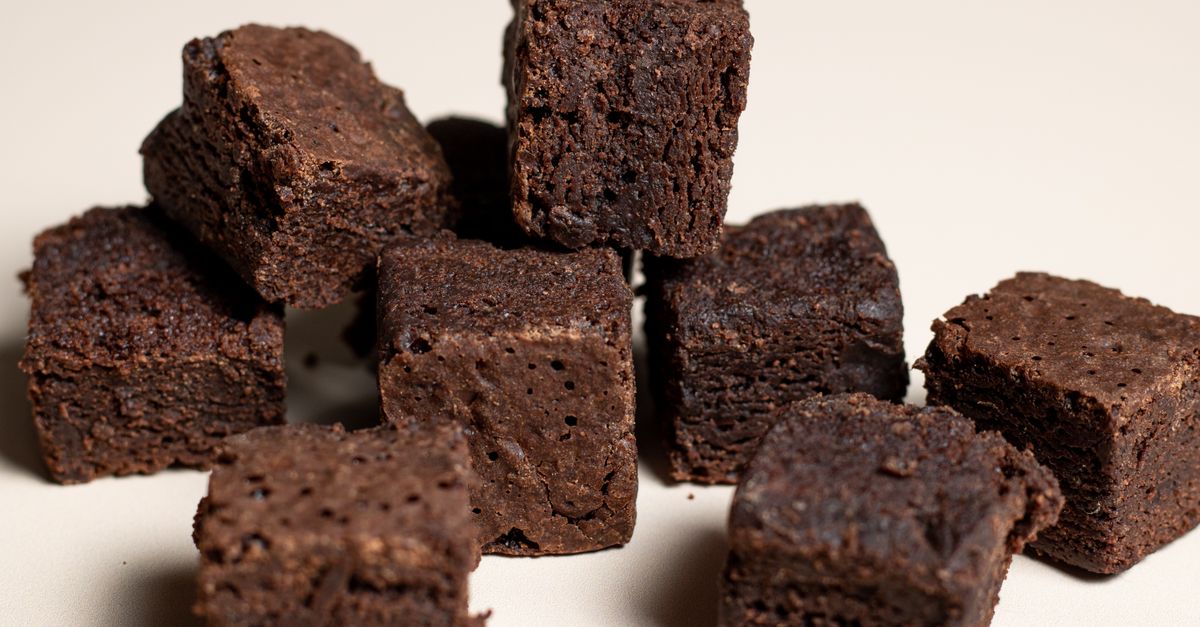
Why Your Homemade Brownies Are Cakey (And The Simple Shifts That Guarantee Fudgy Perfection Every Time)
As someone who has baked countless batches of brownies – from humble beginnings to the decadent, fudgy creations I now serve with pride – I can tell you that the journey from cakey disappointment to chewy, dense perfection is fraught with subtle pitfalls. For years, my brownies were, well, fine. They were edible, sure, but they leaned heavily into the cake-like territory: airy, crumbly, and lacking that signature dense chewiness that makes a truly great brownie. Every recipe promised fudginess, yet I consistently ended up with something resembling a chocolate cake square.
It wasn’t until I started looking beyond the ingredient list and into the how and why of brownie science that everything clicked. The mistake I see most often, and one I made for far too long, is treating brownie batter like cake batter. They are fundamentally different, and the methods you use for one will almost certainly sabotage the other. What changed everything for me wasn’t a secret ingredient, but a series of small, intentional shifts in technique and understanding. If you’re tired of cakey brownies and crave that rich, dense, melt-in-your-mouth fudginess, then keep reading. I’m going to share the precise adjustments that transformed my baking forever.
Key Takeaways
- Prioritize melted butter and good quality chocolate for a richer, denser texture and superior flavor.
- Control aeration by avoiding over-mixing, which introduces too much air and leads to a cakey crumb.
- Use a precise ratio of wet to dry ingredients, focusing on less flour and no leavening agents for fudginess.
- Bake at a lower temperature and monitor for just-set edges to prevent overbaking and maintain moisture.
Embrace Melted Butter and Quality Chocolate for Foundation Fudginess
When I first started baking, I’d grab whatever chocolate chips were on sale and cream butter and sugar together like I was making cookies. Big mistake. The foundation of a truly fudgy brownie isn’t just chocolate; it’s melted fat and high-quality chocolate working in harmony. Here’s why and how:
Melted Butter is Non-Negotiable: Creaming butter and sugar together incorporates air, which is exactly what you want for a light, airy cake. For fudgy brownies, you want less air. Melted butter (or oil, though I prefer butter for flavor) integrates seamlessly with the sugar without trapping excess air. This creates a denser, more liquid base for your batter, leading to that signature chewy texture. I use unsalted butter, melted gently, and let it cool slightly before combining with sugar.
Choose Your Chocolate Wisely (and Don’t Skimp): This isn’t just about taste; it’s about fat content. Low-quality chocolate chips often contain stabilizers that prevent them from melting smoothly and can result in a drier, less intense brownie. What changed everything for me was switching to high-quality dark chocolate (around 60-70% cocoa solids) in either bar form, finely chopped, or good quality baking chocolate. I also often incorporate a mix of unsweetened cocoa powder for depth and chopped chocolate for pockets of melted richness. This combination delivers a far superior flavor profile and contributes significantly to the fudgy texture through its natural fats and solids.
The Melting Method Matters: Don’t just nuke your chocolate and butter in the microwave until it’s a bubbling inferno. Gentle melting, either in a double boiler or in short bursts in the microwave, ensures the chocolate doesn’t seize or burn. Overheating chocolate makes it bitter and changes its texture, directly impacting your final brownie.
In my experience, prioritizing these foundational elements sets the stage for success. Think of it as building a strong core for your brownie; if the base isn’t rich and dense, the rest of the recipe will struggle to compensate.
Master the Art of Minimal Mixing to Avoid Aeration
This is perhaps the single biggest revelation I had on my quest for the perfect fudgy brownie. For years, I treated brownie batter like cake batter, thinking more mixing meant a smoother, better-incorporated dough. I was wrong. Over-mixing is the archenemy of fudgy brownies. It introduces too much air, develops gluten unnecessarily, and inevitably leads to a cakey, dry texture.
Here’s the breakdown of how I learned to control aeration:
Eggs First, Flour Last (and Just Until Combined): After combining your melted butter, sugar, and chocolate mixture, whisk in your eggs. Eggs are crucial for binding and moisture. Whisk them enough to be combined but don’t go crazy; you’re not trying to create a meringue here. Once the wet ingredients are thoroughly mixed, then add your dry ingredients (flour, cocoa powder, salt – no baking powder or soda, which I’ll cover next). The key is to mix just until the last streaks of flour disappear. Seriously, stop there. A few small lumps are perfectly fine and even preferable to over-mixing.
The Power of the Spatula (Not the Whisk): Once you introduce flour, put down your whisk. A rubber spatula is your best friend for brownie batter. It allows you to gently fold the dry ingredients into the wet, minimizing gluten development and preventing excessive air incorporation. Use broad, sweeping motions, scraping down the sides of the bowl.
Understand Gluten Development: Flour contains gluten, a protein that gives structure. When mixed with liquid, gluten develops. For a chewy bread, you knead a lot to develop strong gluten networks. For a fudgy brownie, you want minimal gluten development to maintain a tender, dense crumb. Over-mixing works against this, making your brownies tough and cakey.
What changed everything for me was realizing that less is truly more when it comes to mixing brownie batter. My brownies went from airy and crumbly to dense and luscious almost overnight simply by changing this one technique. It feels counter-intuitive, but trust the process.
Ditch the Leavening and Perfect Your Ingredient Ratios
Another major misconception I battled was the idea that all baked goods need baking powder or baking soda. For fudgy brownies, this simply isn’t true. In fact, leavening agents are often the direct cause of cakey brownies.
Why Leavening is the Enemy: Baking powder and baking soda create gas bubbles that make baked goods rise. While essential for cakes and fluffy muffins, this lift is precisely what you don’t want in a fudgy brownie. You’re aiming for density, not aeration. My go-to fudgy brownie recipes almost never contain chemical leavening, or at most, a tiny pinch for texture, but certainly not a full teaspoon.
The Flour-to-Fat Ratio is Key: Fudgy brownies have a higher fat-to-flour ratio than cake. Cakes typically have equal parts flour, sugar, eggs, and fat. Fudgy brownies lean heavily on fat and sugar, with less flour. This higher fat content contributes to the moisture and dense chewiness. Don’t be tempted to add more flour if your batter seems ‘thin’; a slightly looser batter is a good sign for fudginess.
Sugar Matters for Chewy Texture: Sugar not only adds sweetness but also contributes to the fudgy, chewy texture and helps retain moisture. I typically use a mix of granulated sugar and sometimes a touch of brown sugar for added moisture and depth of flavor. Don’t reduce the sugar too drastically, as it plays a structural role in preventing dryness.
By consciously adjusting these ratios and eliminating unnecessary leavening, you’re directly engineering your brownies for maximum fudginess. It’s a deliberate choice to prioritize density over rise.
Master the Bake: Lower Heat, Shorter Time, and the ‘Wobble Test’
The final hurdle in my fudgy brownie journey was the baking itself. It’s easy to assume a standard oven temperature and baking time will work, but brownies are delicate. Overbaking is the death knell of fudginess. Even if you’ve done everything else perfectly, 5-10 extra minutes in the oven can turn your dense masterpiece into a dry, cakey crumb.
Here’s my proven strategy for perfect baking:
Lower Temperature is Your Friend: I typically bake my fudgiest brownies at a slightly lower temperature than many recipes suggest, around 325-335°F (160-170°C). This allows the brownies to cook through more gently, preventing the edges from hardening and the center from drying out before it’s properly set. It promotes a more even bake and retains more moisture.
The ‘Wobble Test’ and Visual Cues: Forget the clean toothpick test that works for cakes. For fudgy brownies, a toothpick inserted into the center should not come out clean. It should have moist crumbs attached, or even look a little gooey. The best indicator for me is the ‘wobble test’: gently shake the pan. The edges should be set, but the very center should still have a slight wobble, indicating it’s still deliciously moist. The residual heat will continue to cook it as it cools.
Underbake Slightly (Seriously): When in doubt, err on the side of underbaking. A slightly underbaked brownie is a fudgy brownie. An overbaked brownie is a cakey brownie. The difference in texture can be just a few minutes, so start checking earlier than the recipe states, especially if your oven runs hot.
Cool Completely (The Hardest Part): I know, I know. The smell of fresh brownies is intoxicating. But cooling them completely in the pan is crucial. As they cool, the internal structure sets, and the moisture redistributes, locking in that fudgy goodness. Cutting into hot brownies will result in a crumbly mess and you’ll miss out on the full fudgy potential.
What changed everything for me was trusting my instincts with the wobble test and accepting that my brownies might look a little underdone when they first come out. This patience is rewarded with unparalleled fudginess every single time.
Frequently Asked Questions
Q: My brownies are still cakey! What’s the most common mistake I might be making?
A: The most common culprits are over-mixing the batter (introducing too much air and developing gluten) and overbaking. Ensure you’re mixing only until the dry ingredients are just incorporated, and pull them from the oven when the edges are set but the very center still has a slight wobble.
Q: Can I use oil instead of butter for fudgy brownies?
A: Yes, you can. Oil typically results in a slightly denser, even chewier brownie because it’s 100% fat, whereas butter contains some water. However, butter often provides a richer flavor. You can also use a combination.
Q: What kind of chocolate is best for fudgy brownies?
A: For the best flavor and texture, use high-quality dark chocolate (60-70% cocoa solids) in bar form, finely chopped, or good quality baking chocolate. Combining this with unsweetened cocoa powder adds depth. Avoid solely relying on standard chocolate chips, which contain stabilizers that can prevent them from melting smoothly.
Q: Why do some fudgy brownie recipes use a tiny amount of baking powder?
A: A very small amount of baking powder (e.g., 1/4 teaspoon for a typical batch) can contribute to a slightly lighter, chewier texture without pushing the brownie into cakey territory. It creates a subtle lift that some prefer, but it’s not essential for fudginess.
Q: How can I tell if my brownies are done without overbaking?
A: Do the ‘wobble test.’ Gently shake the pan; the edges should be set, but the very center should still have a slight wobble. A toothpick inserted into the center should come out with moist crumbs attached, not completely clean. When in doubt, underbake slightly for maximum fudginess.
The Fudgy Future is Yours
The journey to truly fudgy brownies can feel like a quest, but it’s one that yields delicious rewards. By understanding the core principles – prioritizing dense ingredients, minimizing aeration through careful mixing, skipping unnecessary leavening, and mastering the subtle art of the bake – you can transform your homemade brownies from merely good to absolutely irresistible. These aren’t just tips; they’re the hard-won lessons that changed my own baking for good, and I’m confident they’ll do the same for you. Go forth and bake the fudgy brownies of your dreams – your taste buds (and anyone you share them with) will thank you. Now, which fudgy brownie recipe will you try first with your newfound knowledge?
Written by Eliza Thorne
Home Organization & Productivity
A former organizational consultant, Eliza specializes in creating efficient systems for home and personal management.
You Might Also Like

Why Your Home Still Feels Unclean (Even After Cleaning) — And The Hidden Culprits Nobody Talks About
Discover the hidden reasons your home still feels dirty after cleaning, and learn effective strategies for lasting freshness.

Why Your Homemade Yogurt Lacks That Perfect Tartness (And The Pro Secrets for Truly Tangy Flavor)
Discover why your homemade yogurt falls flat on flavor and learn the pro secrets to achieve that delightful tart and tangy taste you crave.
Why Your Homemade Cookies Are Flat (And The Simple Fixes That Guarantee Perfect, Puffy Results Every Time)
Stop making flat, crispy cookies. Discover the simple fixes to guarantee perfectly puffy, chewy homemade cookies every time, from ingredient temp to chilling.