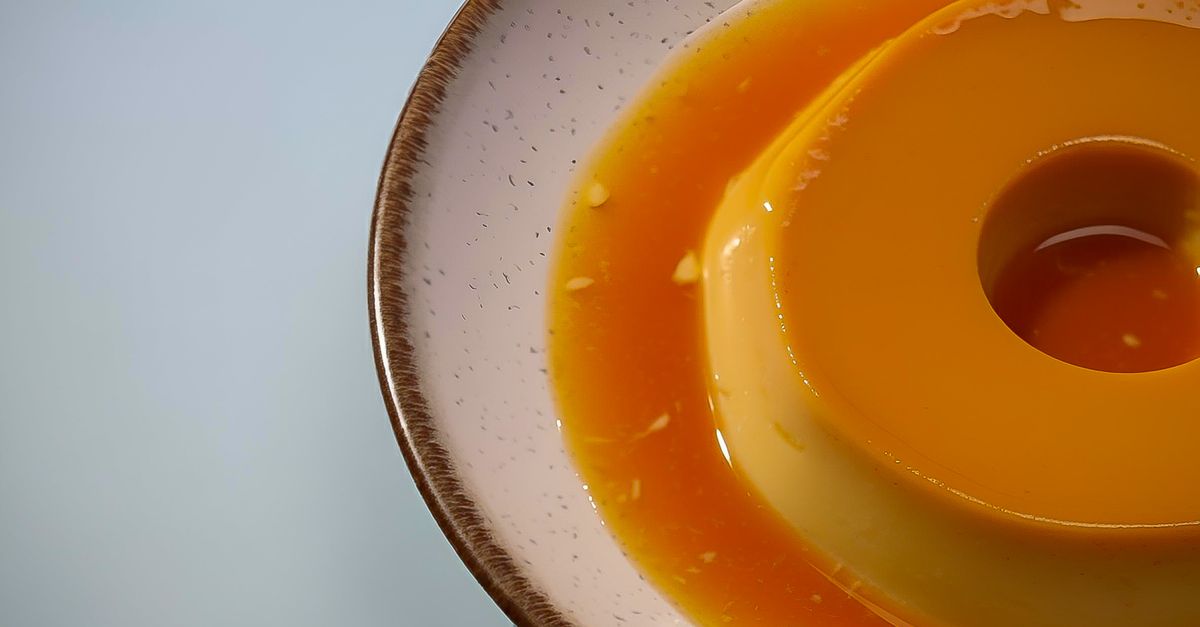
Why Your Homemade Sauces Separate (And The Pro Secrets for Silky Perfection Every Time)
You’ve spent time carefully simmering, whisking, and blending, only to watch your beautiful homemade sauce turn into a curdled, oily mess. It’s disheartening. Whether it’s a hollandaise breaking, a vinaigrette splitting, or a creamy soup curdling, sauce separation is one of the most frustrating kitchen failures, and it happens to even experienced home cooks. You might blame the recipe, the ingredients, or even yourself. But in my experience, the problem almost always boils down to a few critical, often overlooked, principles of emulsion and temperature control that, once mastered, will change your sauce game forever.
I used to dread making delicate sauces. My béarnaise would break more often than not, and my homemade salad dressings felt like a ticking time bomb, separating into distinct layers before they even hit the salad. It wasn’t until I started focusing on the ‘why’ behind the breakdown, rather than just the ‘how-to’ of a recipe, that everything clicked. What changed everything for me was understanding the science of fat and water, and how to coerce them into a lasting, harmonious relationship. Forget just following instructions; it’s about understanding the subtle cues and mastering the techniques that deliver silky perfection every single time.
Key Takeaways
- Embrace gradual incorporation of fats, especially when emulsifying, adding them drop by drop initially.
- Master temperature control, recognizing that extreme heat or cold can destabilize emulsions and curdle dairy.
- Use appropriate emulsifiers like mustard, egg yolks, or starches to provide stability and prevent separation.
- Understand that ingredient quality and freshness significantly impact sauce stability and overall success.
The Real Enemy: Poor Emulsion Technique, Not Bad Luck
Most sauces that separate are emulsions gone wrong. An emulsion is simply a stable mixture of two liquids that don’t normally mix, like oil and water. Think mayonnaise, hollandaise, or even a basic vinaigrette. The mistake I see most often, and one I made for years, is adding fat too quickly or in too large quantities. It’s like trying to force two strangers into a tiny room without proper introductions—it’s going to be chaotic.
When you’re making a vinaigrette, for example, rushing the oil addition is a death sentence. Instead of a slow, steady stream, many people pour it in. The result? The oil molecules don’t have enough time to be properly dispersed and encapsulated by the water-based ingredients (like vinegar). What changed everything for me was adopting a drop-by-drop approach for the initial stage of any emulsion. For a cup of vinaigrette, I’ll literally add the first tablespoon of oil almost drop by drop while whisking vigorously. This creates a strong initial bond. Once that emulsification begins, you can gradually increase the stream, but never abandon the continuous whisking. This gentle, patient introduction builds a robust, stable structure that can withstand more abuse later on. It’s not about speed; it’s about creating microscopic connections that hold everything together.
Temperature Extremes: The Silent Sauce Killer
Temperature is another critical factor most home cooks underestimate. Both excessive heat and extreme cold can wreak havoc on sauces, causing proteins to seize, fats to separate, or starches to break down. For creamy, dairy-based sauces (think alfredo, cheese sauces, or cream soups), the biggest culprit is often overheating. Dairy proteins are delicate, and high, direct heat causes them to coagulate and clump, expelling the liquid and leading to a curdled texture.
I learned this the hard way with countless broken cheese sauces. The fix is simple but requires discipline: cook dairy-based sauces gently, and never let them come to a rolling boil. For thickening, rely on a low simmer, or better yet, temper your dairy by slowly introducing a small amount of hot sauce into cold cream before adding it back to the main pot. This gradual temperature equalization prevents thermal shock. Similarly, for fat-in-water emulsions like hollandaise, if your base (egg yolks and acid) gets too hot, the eggs will scramble, and the sauce will break. Conversely, if your butter is too cold, it won’t properly incorporate. The goal is always to keep components within a harmonious temperature range, typically warm but not scorching, to encourage bonding without destruction.
The Unsung Heroes: Emulsifiers and Thickeners
While good technique is paramount, certain ingredients act as insurance policies against separation. These are your emulsifiers and thickeners, and understanding how to use them can save many a sauce. Natural emulsifiers like egg yolks (in hollandaise, mayonnaise), mustard (in vinaigrettes), and even honey or lecithin, have compounds that help bridge the gap between fat and water molecules, holding them together in a stable suspension. A teaspoon of Dijon mustard in a vinaigrette isn’t just for flavor; it’s a powerful stabilizing agent.
For sauces thickened with starches (flour, cornstarch, arrowroot), improper activation or overcooking can lead to breakdown. Starches swell and thicken as they heat, but if subjected to prolonged, vigorous boiling, their structure can rupture, releasing the trapped liquid. This is why many gravies or cream soups thinned with cornstarch can become watery if reheated too aggressively. The trick is to add starches (usually mixed with a cold liquid to form a slurry) towards the end of cooking, bring the sauce to a gentle simmer just until thickened, and then remove it from direct heat. This prevents the starch from breaking down and helps maintain that desired silky texture.
Ingredient Quality and Storage: More Important Than You Think
While technique and temperature are key, the quality and condition of your ingredients play a significant, often overlooked, role in sauce stability. Fresh, high-quality ingredients are simply more robust and forgiving. For example, fresh egg yolks have a stronger emulsifying power than older ones. Similarly, good quality dairy is less likely to curdle under gentle heat than dairy that’s nearing its expiration date.
Storage also matters. Leaving a vinaigrette out on the counter can cause it to separate as the oil and water slowly drift apart due to gravity over time. Refrigerating it, however, can cause the oil to solidify and the emulsion to thicken, sometimes breaking it when you try to use it cold. In my kitchen, I always store homemade vinaigrettes in the fridge but pull them out 20-30 minutes before serving. A vigorous shake or a quick re-whisk with a touch of warm water often brings it right back. For delicate, cooked emulsions like hollandaise, they really are best made and served immediately. They’re too unstable to store and reheat successfully, a truth many home cooks (myself included, early on) try to defy, only to be met with disappointment.
The Fixes: Salvaging a Broken Sauce
So, you’ve done everything right, or maybe you haven’t, and your sauce still breaks. Don’t panic! Many separated sauces can be salvaged, especially if you act quickly. The general principle for rescue is to create a new, stable base and slowly reintroduce the broken sauce into it.
For a broken emulsion like hollandaise or mayonnaise:
- Take a clean bowl and add 1-2 teaspoons of hot water (for hollandaise) or a fresh egg yolk (for mayonnaise).
- Whisk vigorously. Very slowly, drop by drop, begin to drizzle the broken sauce into this new base, whisking continuously. The new base will start to emulsify, and as you add the broken sauce, it will gradually come back together.
For a curdled dairy sauce:
- Remove the sauce from the heat immediately. If it’s only slightly curdled, sometimes stirring in a tablespoon of cold cream or milk can bring it back.
- If severely curdled, try straining out the solids (curds) and reheating the liquid very gently, or starting over with a new roux and slowly adding the strained liquid.
- For future attempts, consider adding a tiny pinch of baking soda to cheese sauces to help stabilize the dairy proteins, especially if you’re using aged cheeses which are more prone to curdling.
In my kitchen, I’ve brought back many a sauce from the brink. It takes patience and a steady hand, but it’s immensely satisfying when it works. It reinforces the idea that cooking is often about observation and adaptation, not just rigid adherence to a recipe.
Frequently Asked Questions
Q: Why does my vinaigrette always separate in the fridge?
A: Vinaigrettes separate in the fridge because the oil solidifies slightly and the emulsion becomes too cold to hold. Simply take it out 20-30 minutes before serving to let it warm up a bit, then shake or whisk vigorously to re-emulsify. A teaspoon of Dijon mustard or honey in your recipe can also help stabilize it for longer.
Q: Can I use a blender or immersion blender to fix a broken sauce?
A: Yes, a blender or immersion blender can be incredibly effective for salvaging broken sauces, especially emulsions. Pour the broken sauce into the blender, add a small amount of the original emulsifying agent (e.g., a fresh egg yolk or a tablespoon of warm water/acid), and blend on low, slowly drizzling the broken sauce back in. The high shear force helps re-form the emulsion.
Q: Why does my cream sauce curdle when I add cheese?
A: This is a common issue! Cheese sauces curdle because cheese proteins (especially in aged cheeses) are prone to seizing up and expelling fat when exposed to high heat. To prevent this, add shredded cheese off the heat, a little at a time, stirring until each addition is melted and smooth. Using a sauce base that isn’t boiling, and even adding a splash of milk or a pinch of cornstarch slurry can help stabilize the mixture.
Q: How can I prevent my gravy from becoming watery after reheating?
A: Gravy thickened with flour or cornstarch can become watery after reheating if the starch structure breaks down from overcooking or prolonged high heat. To prevent this, avoid boiling gravy aggressively once thickened. If reheating, do so gently over low heat, stirring frequently. If it does become watery, you can whisk in a small cornstarch slurry (cornstarch mixed with cold water) and bring it to a gentle simmer until it thickens again.
Q: What’s the difference between an emulsifier and a thickener for sauces?
A: An emulsifier helps two immiscible liquids (like oil and water) mix and stay combined in a stable emulsion (e.g., egg yolks, mustard). A thickener increases the viscosity of a liquid, making it thicker (e.g., flour, cornstarch, roux). While some thickeners can aid in stabilization by increasing overall viscosity, their primary role isn’t to create an emulsion. For example, a béchamel uses a thickener (roux), but hollandaise uses an emulsifier (egg yolk).
Making perfect sauces is a journey of understanding and finesse. By focusing on gradual fat incorporation, controlling temperature, utilizing natural emulsifiers, and paying attention to ingredient quality, you’ll transform your cooking and achieve consistently silky, stable results. No more curdled catastrophes, just culinary triumphs. Now, go forth and whisk with confidence!
Written by Sophia Rodriguez
Budgeting & Everyday Living
An experienced lifestyle blogger, Sophia brings creative solutions for budgeting, cooking, and simplified living.
You Might Also Like

Why Your Home Still Feels Unclean (Even After Cleaning) — And The Hidden Culprits Nobody Talks About
Discover the hidden reasons your home still feels dirty after cleaning, and learn effective strategies for lasting freshness.

Why Your Homemade Yogurt Lacks That Perfect Tartness (And The Pro Secrets for Truly Tangy Flavor)
Discover why your homemade yogurt falls flat on flavor and learn the pro secrets to achieve that delightful tart and tangy taste you crave.
Why Your Homemade Cookies Are Flat (And The Simple Fixes That Guarantee Perfect, Puffy Results Every Time)
Stop making flat, crispy cookies. Discover the simple fixes to guarantee perfectly puffy, chewy homemade cookies every time, from ingredient temp to chilling.