Why Your Homemade Soup is Bland (And The Flavor Secrets That Changed Everything For Me)
You’ve spent an hour chopping, simmering, and stirring, convinced this pot of homemade soup will be the comforting, flavorful masterpiece you crave. Yet, with the first spoonful, a familiar disappointment washes over you: it’s… bland. It tastes like hot water with ingredients floating in it. The vegetables are cooked, the broth is there, but where’s the oomph? Where’s the depth, the richness, the soul-satisfying flavor that makes restaurant soup so irresistible?
I used to be there, too. My soups were always ‘fine,’ but never truly exciting. I followed recipes to the letter, added salt, and still, the magic eluded me. I considered myself a decent home cook, but soup was my Achilles’ heel. It wasn’t until I started questioning why certain flavors worked and others didn’t, and experimenting beyond the recipe’s basic instructions, that I unlocked the true secrets to incredible, never-bland-again homemade soup. The mistake I see most often is that people treat soup like a simple assembly job, rather than a layered symphony of flavor. What changed everything for me wasn’t one magical ingredient, but a shift in approach.
Key Takeaways
- Stop relying solely on liquid ingredients for base flavor; build depth with browned aromatics and roasted vegetables first.
- Introduce umami-rich ingredients early and often to create a savory backbone for your soup.
- Master the art of seasoning in layers, adjusting salt and acid throughout the cooking process, not just at the end.
- Understand how contrasting textures and fresh finishes elevate a soup from bland to truly exceptional.
Don’t Skip the Browning: Your Foundation of Flavor
The biggest culprit behind bland soup, in my experience, is a lack of foundational flavor. Many recipes tell you to sauté onions and garlic until translucent, then add liquid. This is a missed opportunity. Translucent is good, but caramelized is gold. The Maillard reaction – that beautiful browning that occurs when food meets heat – creates hundreds of new flavor compounds that simply won’t develop otherwise. Think about it: a raw onion tastes sharp, but a deeply browned onion is sweet, complex, and savory. That’s the starting point your soup needs.
When I first started to really brown my aromatics, it felt almost wrong. I worried I was burning them. But pushing those onions, carrots, and celery (the ‘mirepoix’) until they developed a rich, dark golden-brown color, clinging slightly to the bottom of the pot, completely transformed my soups. This isn’t just about color; it’s about building a complex sugar base that will infuse into your broth. For a medium-sized pot of soup, this process can take 10-15 minutes over medium heat, sometimes even longer, stirring frequently. Don’t rush it. Those sticky bits on the bottom? That’s pure flavor concentrated, waiting to be released when you add liquid.
What about garlic? Add it after the other vegetables have started to brown, usually in the last 2-3 minutes of the browning process. Garlic burns easily and can turn bitter, so timing is crucial. If you’re making a creamy vegetable soup, consider roasting some of your vegetables (like squash, carrots, or even tomatoes) before adding them to the pot. Roasting concentrates their natural sugars and adds a smoky depth that simmering alone cannot achieve. This extra step requires minimal active time but pays dividends in flavor.
The Umami Unlock: More Than Just ‘Savory’
Once your aromatics are beautifully browned, the next secret weapon is umami. Often described as the ‘fifth taste,’ umami is that deep, savory deliciousness that makes food incredibly satisfying. Many home cooks add salt for savoriness, but salt alone only goes so far. To truly combat blandness, you need to introduce ingredients rich in naturally occurring glutamates.
My go-to umami boosters, and the amounts I typically use for a 6-8 serving pot of soup, include:
- Tomato Paste (2 tablespoons): After browning your aromatics, push them to one side of the pot. Add the tomato paste to the clear spot and cook it for 2-3 minutes, stirring constantly, until it darkens and develops a rusty red color. This process, called ‘caramelizing the tomato paste,’ significantly deepens its flavor before you stir it into the vegetables.
- Soy Sauce or Tamari (1-2 tablespoons): A splash of soy sauce (even in non-Asian soups!) adds incredible depth without making the soup taste like soy. It’s a pure umami bomb. Add it after your initial liquid, then taste and adjust. I’ve found this especially potent in chicken noodle or vegetable soups.
- Parmesan Rind (1-2 pieces): Don’t throw away those hard ends of Parmesan cheese! Add them to your simmering broth. As they cook, they release a beautiful, salty, nutty umami flavor. Just remember to fish them out before serving. This is a game-changer for tomato-based or bean soups.
- Mushrooms (fresh or dried): If a recipe calls for mushrooms, I always brown them aggressively before adding any liquid. For an even deeper umami hit, rehydrate dried porcini mushrooms and add both the rehydrated mushrooms (chopped) and the soaking liquid (strained to remove grit) to your soup. The soaking liquid is liquid gold.
These ingredients don’t just add a single flavor; they amplify all the other flavors in your soup, creating a more cohesive and satisfying taste experience. In my experience, even adding just one or two of these makes a dramatic difference. You’re not just adding ingredients; you’re building a rich, savory bass note for your soup’s melody.
The Layered Seasoning Strategy: Beyond the Final Pinch
Most recipes instruct you to add salt and pepper at the end. While a final seasoning is essential, it’s not enough to rescue a bland soup. Flavor compounds need time to meld and deepen, and that requires seasoning in layers throughout the cooking process. Think of your soup as a blank canvas you’re painting, layer by layer.
Here’s how I approach it:
- Initial Seasoning (with aromatics): Once your aromatics are browning, add a generous pinch of salt. Salt helps draw out moisture from the vegetables, encouraging better browning, and it begins building the flavor base. At this stage, I also add any dried herbs (like thyme, oregano, or bay leaves) and black pepper, toasting them briefly with the vegetables to release their essential oils.
- Mid-Cook Seasoning (with liquid): After adding your broth or water, bring the soup to a simmer and add another pinch or two of salt. The larger volume of liquid will dilute the initial seasoning. This is also when I add any umami boosters (like soy sauce or a Parmesan rind). Taste the broth. It should be pleasantly savory, but not overly salty, knowing that the flavor will concentrate slightly as it simmers and more will be added later.
- Final Seasoning (before serving): This is where you bring everything into balance. Once the soup is fully cooked and all ingredients have had a chance to meld, taste it again. Does it need more salt? Often, yes. But beyond salt, does it need brightness? A squeeze of lemon juice, a splash of vinegar (red wine, sherry, or apple cider vinegar are excellent), or a dash of hot sauce can cut through richness and awaken all the flavors. This touch of acid is often the missing piece for many bland soups. It’s like turning on a light switch. I typically start with 1-2 teaspoons of acid for a large pot and add more until it sings. Don’t forget fresh herbs, too – parsley, cilantro, or dill added right before serving provide a vibrant, fresh lift.
This layered approach ensures that every component of your soup is seasoned, and the flavors are integrated deeply, rather than just sprinkled on top. It’s a subtle but profoundly impactful technique that transformed my soup game.
The Power of Texture and Fresh Finishes
Even with perfectly seasoned, umami-rich broth, a soup can still feel ‘lacking’ if it’s a monochromatic mush. Texture provides contrast and interest, making each spoonful more engaging. And fresh finishes are the final flourish that awaken the palate and provide a vital counterpoint to the deep, cooked flavors.
Think about what’s missing. If your soup is all soft vegetables and smooth broth, add something with a bit of bite or crunch. Some of my favorite texture additions include:
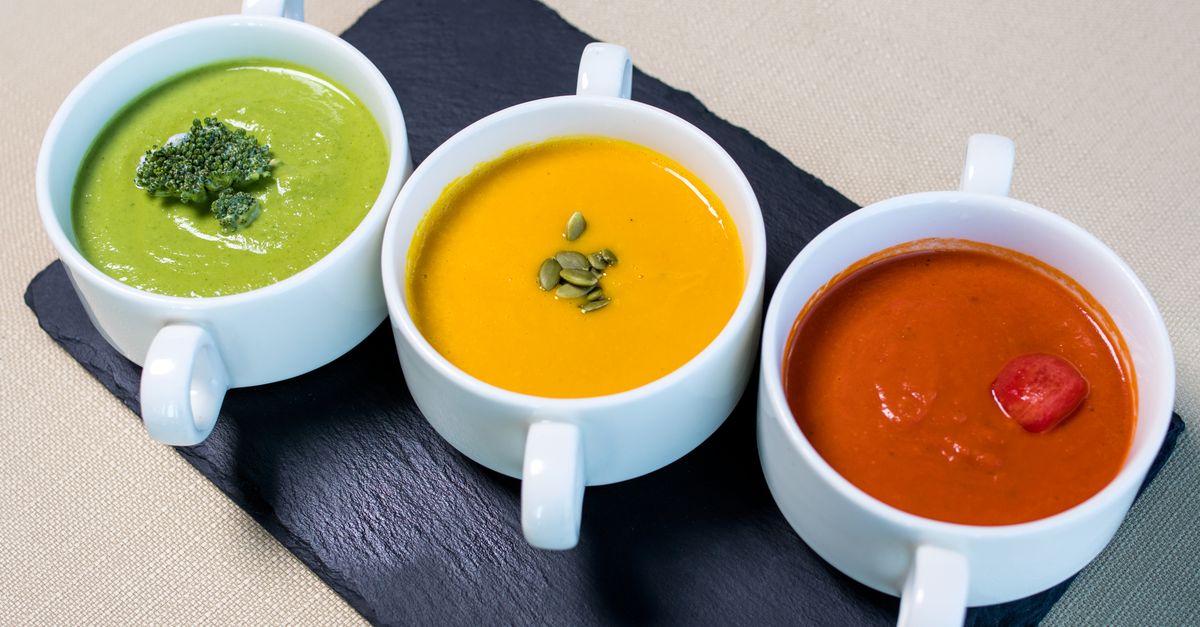
- Toasted Nuts or Seeds: A sprinkle of toasted almonds, pumpkin seeds, or sunflower seeds adds a delightful crunch and nutty flavor, especially to creamy soups.
- Croutons: Homemade croutons are incredibly easy to make and infinitely better than store-bought. Toss bread cubes with olive oil, salt, and garlic powder, then bake until golden and crisp.
- Crispy Fried Onions or Shallots: A quick fry of thinly sliced onions or shallots until golden and crisp adds an amazing savory crunch.
- Fresh Herbs: Beyond flavor, fresh herbs like chopped parsley, cilantro, chives, or basil add a beautiful visual pop and a burst of fresh, herbaceous texture.
For fresh finishes, don’t underestimate the power of a drizzle or a dollop. A swirl of good quality olive oil, a spoonful of pesto, a dollop of Greek yogurt or sour cream, or even a sprinkle of crumbled feta or goat cheese can transform the entire experience. These elements add a contrasting temperature, richness, or tang that brightens the entire bowl.
In my experience, a soup might be perfectly cooked and seasoned, but it becomes truly memorable when you offer these varied textural elements and a final fresh hit. It’s not just about what’s in the pot, but how you present and experience it. These small additions elevate the dish from a simple meal to a culinary event.
Frequently Asked Questions
Q: My soup still tastes watery. How can I make it richer without adding cream?
A: Watery soup often means you haven’t built enough depth. Focus on thoroughly browning your aromatics (onions, carrots, celery) until deep golden. Caramelize tomato paste for 2-3 minutes before adding liquids. Consider adding umami boosters like a Parmesan rind, a splash of soy sauce, or rehydrated dried mushrooms and their strained soaking liquid. Another trick is to simmer a starchy vegetable like a potato or a piece of bread in the broth, then mash it or blend a portion of the soup to thicken it slightly, which also concentrates flavor.
Q: I added enough salt, but it’s still bland. What else should I try?
A: If salt isn’t cutting it, your soup likely needs acid or umami. A squeeze of lemon juice, a splash of vinegar (like red wine or apple cider vinegar), or even a dash of hot sauce can brighten flavors significantly. For umami, try adding tomato paste, soy sauce, or a Parmesan rind during simmering. Also, ensure you’ve properly browned your aromatics, as this foundational step creates complex flavors that salt alone cannot replicate.
Q: Can I fix a bland soup after it’s already cooked and cooled?
A: Absolutely! Reheat the soup gently. If it needs more depth, sauté a small amount of fresh aromatics (onion, garlic) and tomato paste in a separate pan until deeply browned, then stir this concentrated flavor bomb back into your soup. Add a splash of soy sauce or Worcestershire sauce for umami. Finally, re-season with salt, a touch of acid (lemon juice or vinegar), and fresh herbs right before serving. A bland soup is rarely beyond saving.
Q: What’s the difference between using fresh herbs versus dried herbs in soup?
A: Dried herbs (like dried thyme, oregano, bay leaves) have a more concentrated, earthy flavor and should be added early in the cooking process (e.g., with the browning aromatics) to allow their flavors to infuse. Fresh herbs, on the other hand, have a brighter, more vibrant flavor and delicate texture. They are best added at the very end of cooking or as a garnish right before serving to preserve their freshness and aroma. Using both can provide a more complex flavor profile.
Q: My soup has too much of one flavor (e.g., too much garlic, too spicy). How can I balance it?
A: To mitigate an overpowering flavor: if it’s too garlicky or herbaceous, add more liquid (broth or water) to dilute it, then re-season. If it’s too spicy, dairy (a swirl of cream, yogurt, or coconut milk) can help neutralize the heat. A touch of sweetness (a pinch of sugar, a shredded carrot) can also balance spice. For anything too acidic, a pinch of sugar can help, or simmer a potato slice in the soup and remove it—it will absorb some of the excess acid.
Conclusion
Making truly delicious, non-bland homemade soup isn’t about following a recipe perfectly; it’s about understanding the principles of flavor building. It’s about being deliberate with your ingredients and thoughtful with your technique. By embracing deep browning for your foundational flavors, leveraging umami-rich ingredients, mastering the art of layered seasoning, and adding those crucial textural elements and fresh finishes, you’ll transform your soups from ‘just okay’ to ‘absolutely unforgettable.’ Start with that extra browning time for your aromatics next time, and watch (and taste) the magic unfold.
Written by Sophia Rodriguez
Budgeting & Everyday Living
An experienced lifestyle blogger, Sophia brings creative solutions for budgeting, cooking, and simplified living.
You Might Also Like

Why Your Home Still Feels Unclean (Even After Cleaning) — And The Hidden Culprits Nobody Talks About
Discover the hidden reasons your home still feels dirty after cleaning, and learn effective strategies for lasting freshness.

Why Your Homemade Yogurt Lacks That Perfect Tartness (And The Pro Secrets for Truly Tangy Flavor)
Discover why your homemade yogurt falls flat on flavor and learn the pro secrets to achieve that delightful tart and tangy taste you crave.

Why Your Homemade Cookies Are Flat (And The Simple Fixes That Guarantee Perfect, Puffy Results Every Time)
Stop making flat, crispy cookies. Discover the simple fixes to guarantee perfectly puffy, chewy homemade cookies every time, from ingredient temp to chilling.